Simplifying trading actually makes it easier to profit: ET trader Mr. Sun on “simple trading”
When it comes to trading, Sun Jingpeng believes the simpler, the better.
Rather than continuously adding technical indicators and seeking more complex trading strategies, he is more accustomed to starting with the daily and 4-hour charts, first determining the market's overall direction, and then looking for suitable entry opportunities.
In his view, sometimes the more complex the method, the easier it is to hesitate when actually making a judgment.
The seemingly simple trading approach Sun Jingpeng uses today has also gone through profits, drawdowns, and repeated adjustments.
After trading for a period of time, Sun Jingpeng has increasingly realized that knowing how to trade is only the first step; the truly difficult part is applying one's judgment to every trade.
First look at the direction, then decide what to do
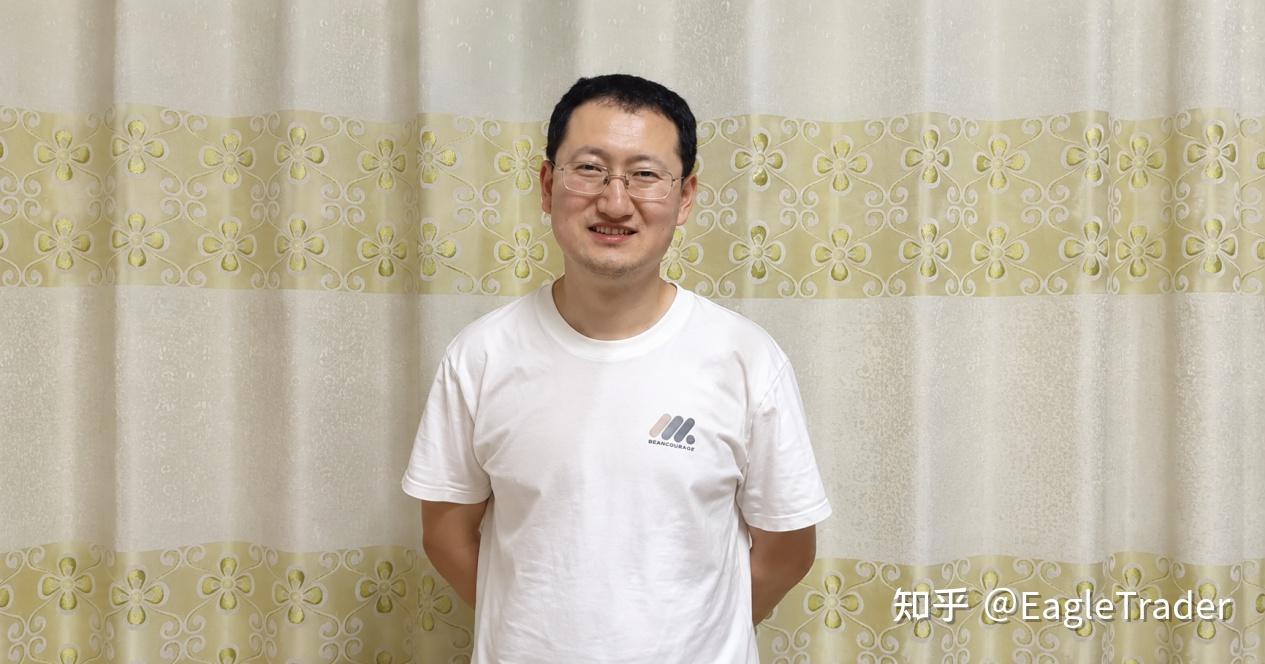
When trading, Sun Jingpeng mainly watches the daily and 4-hour charts.
His logic is not complicated: first determine the direction for the day and for larger time frames, then decide whether to enter.
If the daily chart is in an uptrend, he usually will not easily short against the trend; if the market direction is not clear, he will be even more cautious.
Compared with short-term indicators such as the 5-minute and 15-minute charts, he pays more attention to the trend on larger time frames.
The reason is also straightforward.
Short time frames change relatively quickly, and indicators are prone to changing with market fluctuations, while the direction formed by the 4-hour and daily charts is relatively stable and more suitable for judging the overall trend.
Candlestick charts are his main reference tool, while MACD is more of an auxiliary. He says the approach to trading must be simple, not too complex.
This is a sentence Sun Jingpeng has mentioned repeatedly.
In his view, if too many indicators are added at the same time, different indicators may conflict with one another, ultimately making judgment harder. Rather than getting trapped in complex analysis, it is better to first clearly determine the most important direction.
A simple strategy does not mean every trade will be profitable
Of course, a simple trading method does not mean trading will always go smoothly.
Sun Jingpeng's account went through a period of fairly obvious fluctuations: it started with small profits, then entered a stage of repeated ups and downs, and only after the market showed a relatively clear direction did his trading gradually improve.
He is also very clear about the reason. His strategy is better suited to markets with a clear direction.
When neither the daily nor the 4-hour chart has formed a clear direction, the market itself is prone to repeated fluctuations; at such times, even if one enters according to the original strategy, it is difficult to achieve sustained profits.
This is also a realistic aspect of trading: no strategy can adapt to all market conditions.
Rather than forcing a search for a method that can handle all market environments, it is better to first know what kind of market conditions your strategy suits and reduce unnecessary trades when the direction is unclear.
Trend-following trading is not about predicting the market
In the interview, Sun Jingpeng also shared several specific trading judgments.
For example, in a market move with an obvious lower shadow, he believed that prices quickly dropped and then were pulled back, indicating that there might be support below.
Afterward, when prices retested, he would then observe whether they could continue upward.
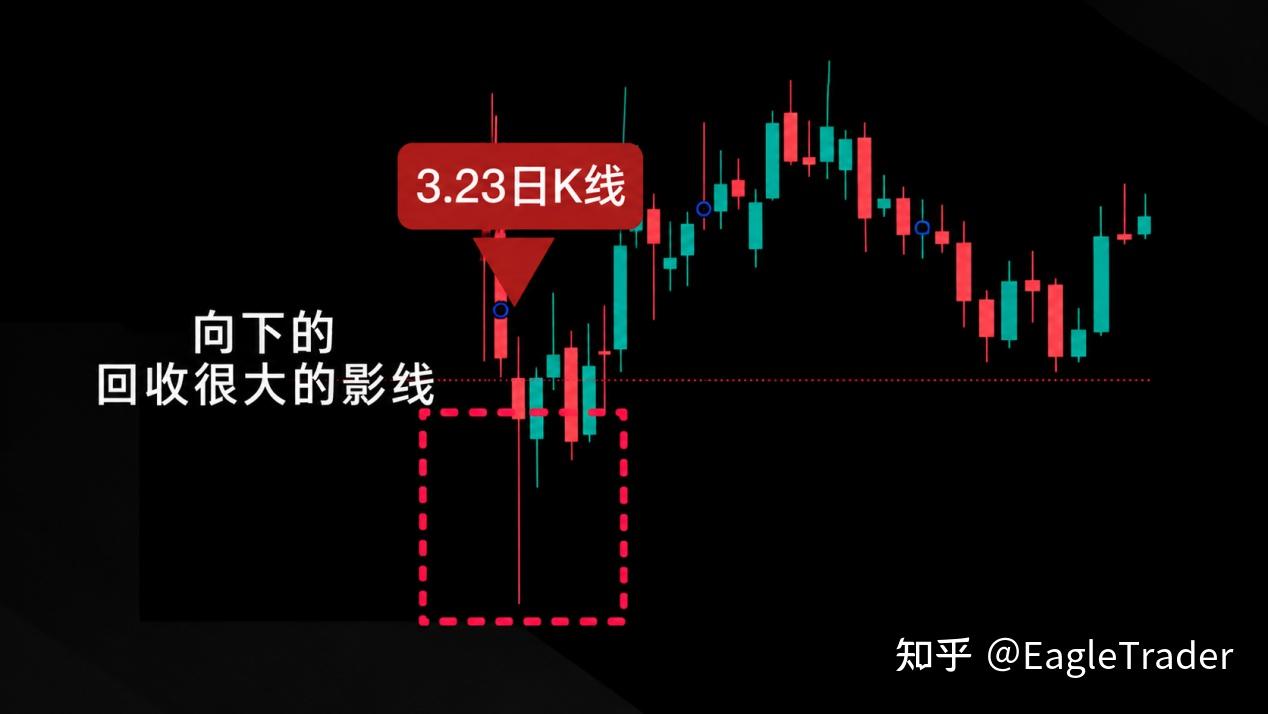
But even so, he would not assume that the market will definitely move according to his judgment.
In his view, such a judgment may only have a 70% to 80% probability of being correct.
The market may still be affected by other factors and ultimately move in a completely different direction.
Therefore, trend-following trading is not about predicting in advance exactly how the market will move, but about continuously validating one's judgment based on the candlestick and price changes that have already appeared.
If the upward momentum is insufficient and prices weaken again, then the original direction also needs to be reconsidered.
Trading is not about proving that you are right, but about continuously revising your judgment according to market changes.
What is truly difficult is strictly executing your own method
Compared with the trading strategy itself, Sun Jingpeng believes that another issue more easily overlooked is execution.
When trading on his own in the past, he actually knew the importance of stop-losses and was also used to setting stop-losses.
But when actually facing the market, especially when emotions run high, it is not easy to execute 100%.
Knowing about stop-losses and being able to strictly execute stop-losses are two different things.
This is also a relatively obvious feeling he had after joining ET proprietary trading.
During trading at ET, risk control rules impose clear constraints on trading behavior.
When an account approaches the corresponding risk limits, traders can no longer adjust at will as they could when trading alone.
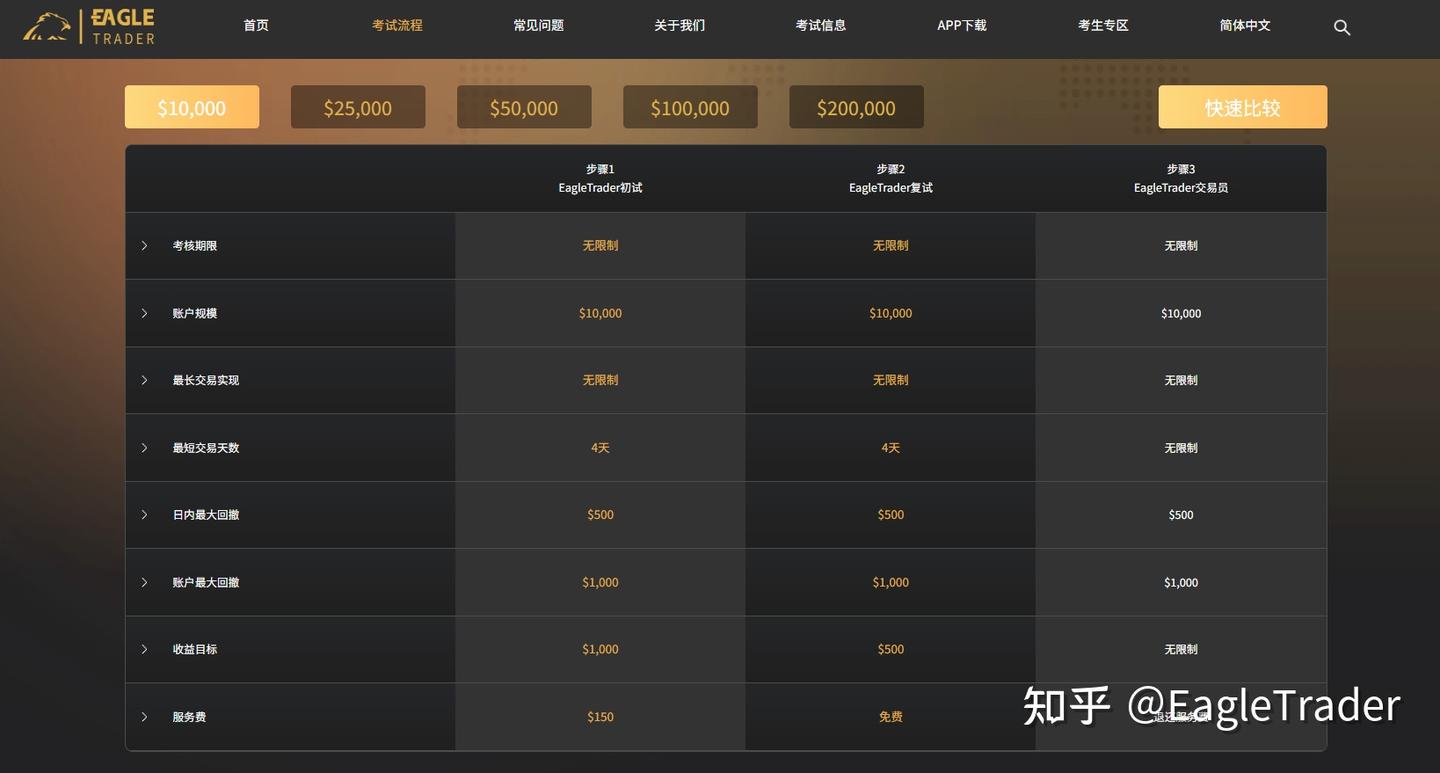
This constraint actually made Sun Jingpeng more cautious. “Since you have risk control watching right here, you can't exceed a certain limit.”
For him, strict risk control was not simply about adding restrictions, but about turning trading behavior that used to be easily affected by emotions into discipline that had to be enforced.
Another change came from trading mindset. When trading with his own funds, especially when the amount of capital was relatively large, the psychological pressure brought by profit and loss could easily affect trading decisions.
Sometimes a strategy that had been formulated well could change in execution when actually facing one's own funds.
In a proprietary trading environment, however, because the capital and risk control mechanisms are different, traders can instead focus more attention on the strategy itself and on rule execution.
This also made Sun Jingpeng realize that trading ability is not just “whether one can analyze market conditions,” but also whether one can maintain discipline in actual trading.
Having experienced losses, he also once thought about giving up
Of course, trading is not always a smooth path. Facing repeated losses and account fluctuations, Sun Jingpeng also once thought about giving up.
But after time, energy, and capital had already been invested in it, he still chose to keep going.
Perhaps this is also a stage that many traders go through: when they have not achieved ideal results for a long time, they still need to re-examine their methods and adjust their state.
For Sun Jingpeng, trading did not become more and more complicated in the end.
Instead, after experiencing fluctuations, he became increasingly clear about what he needed—see the direction clearly, follow the market, control risk, and then execute as simply as possible.
The market will never run entirely according to traders' expectations. What one can do is respect the signals the market gives and also respect the rules one has set.
Perhaps this is Sun Jingpeng's most direct understanding of “simple trading” after continuous trading.
Ready to take on EagleTrader Max?
No upfront evaluation stage. Trade immediately once funded, with up to 90% profit split.